The Nations Have Moved Into Our Neighborhoods. Is the Church Ready?
A pastor once told me something that has stayed with me.
“Our church gives generously to global missions,” he said. “Yet most of our people wouldn’t know how to share Jesus with a Muslim neighbor.”
He wasn’t criticizing his church. He was being honest.
For decades, many North American churches have thought about missions primarily in terms of geography. The nations were far away—across oceans and continents. Missionaries were the ones called and trained to cross cultures and share the gospel. Meanwhile, the local church supported them through prayer, giving, and occasional short-term trips.
That model still matters. Global missions remain vital. Yet something significant has changed.
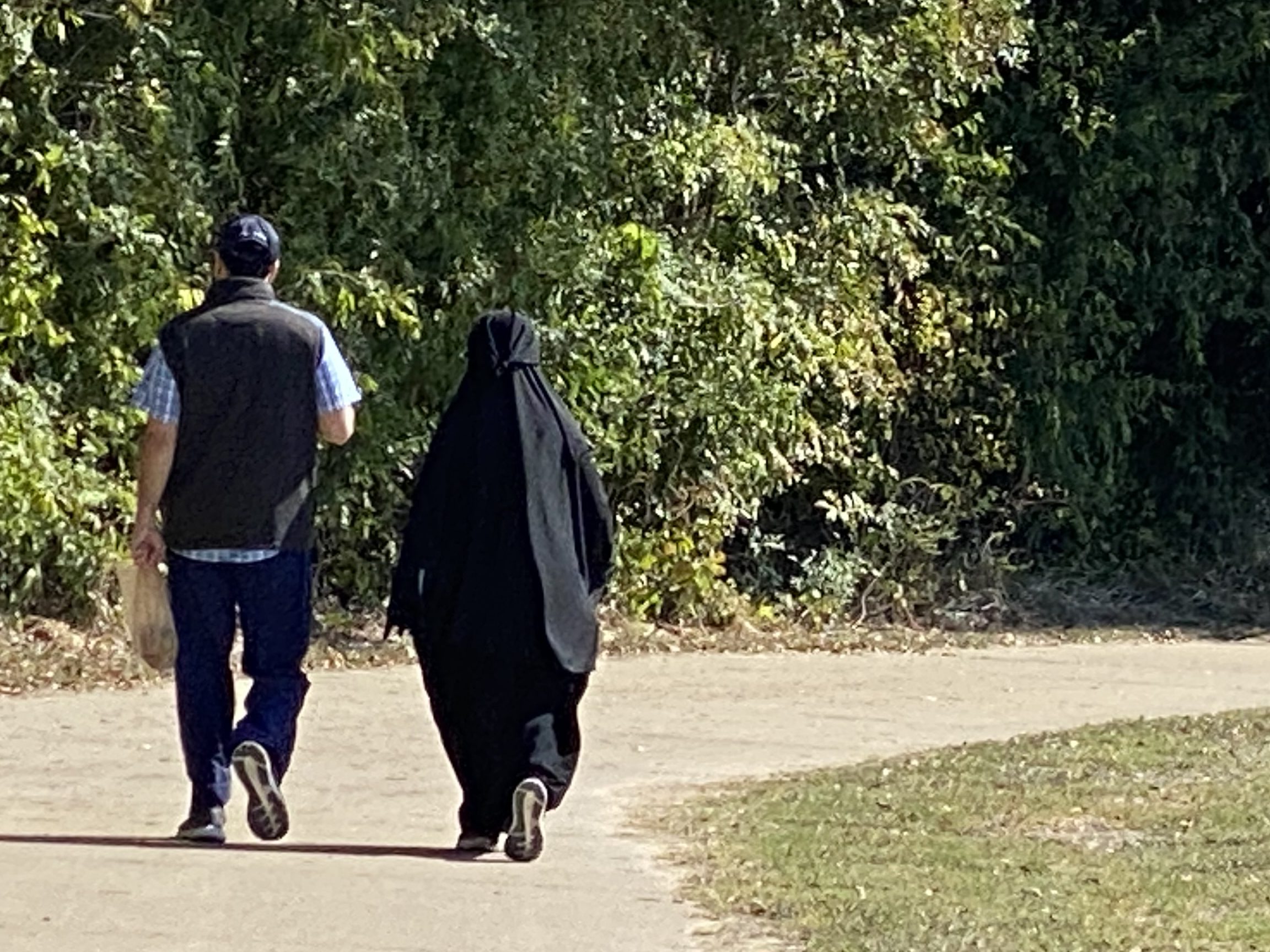
Today, the nations are no longer only overseas. They are in our neighborhoods, workplaces, classrooms, and apartment complexes.
The Muslim family down the street.
The Hindu coworker in the office next door.
The Buddhist international student sitting in a university lecture hall.
The nations have come to us.
And many churches are still figuring out what that means.
A New Reality for the Church

Across North America, cities and suburbs are becoming increasingly multi-faith and multicultural. Immigration, international education, and global mobility have quietly reshaped the communities where churches serve.
For followers of Jesus, this is not a problem to solve. It is a profound opportunity.
Never before have so many people from historically unreached parts of the world lived within ordinary reach of local churches. The question is not whether the opportunity exists. The question is whether the Church is prepared.
Many pastors care deeply about reaching their neighbors from other faith backgrounds. They want their congregations to engage with wisdom, humility, and love. At the same time, many believers feel unsure where to begin.
They worry about saying the wrong thing.
They fear offending someone.
They assume they need deep expertise in another religion before they can even start a conversation.
So the result is often silence.
Not from lack of faith.
From lack of clarity.
The Discipleship Gap
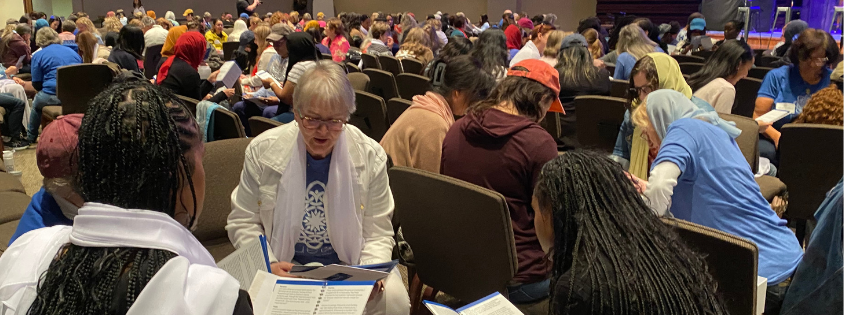
Most Christians were never discipled to share Jesus across cultures.
They may have learned how to invite someone to church or share a personal testimony. Yet engaging thoughtfully with someone from another faith tradition can feel unfamiliar and intimidating.
As a result, many believers quietly assume this kind of outreach is best left to specialists.
Missionaries.
Apologists.
Experts.
Yet the New Testament paints a different picture of the Church.
Ordinary believers, filled with the Spirit, sharing the hope of Christ in everyday relationships.
Neighbors speaking with neighbors.
Friends speaking with friends.
This kind of witness does not require perfect knowledge. It requires faithful discipleship.
From Intimidation to Invitation
Over the past two decades through iHOPE Ministries, we’ve had the privilege of walking alongside churches as they learn to engage neighbors from other faith backgrounds.
One of the most encouraging things we’ve seen is this: When believers are given simple, practical steps—and permission to grow gradually—many begin having conversations they never imagined possible.
Fear begins to give way to curiosity.
Curiosity opens the door to friendship.
Friendship creates space for spiritual conversation.
Through iHOPE’s ETHNOS™ Discipleship Pathway, we’ve seen believers move from uncertainty to confidence as they learn small, repeatable practices for engaging neighbors across faiths and cultures.
This is not about becoming an expert in world religions. It’s about learning how to love people well and share the hope of Jesus naturally.
A Moment of Opportunity
The cultural moment we are living in presents both challenges and extraordinary opportunities for the Church.
Fear and misunderstanding between faith communities are often amplified in public conversations.
Yet at the same time, millions of people from Muslim, Hindu, Buddhist, and other backgrounds are forming friendships with Christians every day—in workplaces, neighborhoods, and schools.
For many of them, those relationships may be the first time they encounter the gospel lived out in everyday life.
Local churches are uniquely positioned to help believers step into this moment with courage and compassion.
Not by overwhelming them with information.
By discipling them toward faithful presence.
A Question for Church Leaders
Pastors and ministry leaders may want to ask a simple question:
Do our people have a clear pathway for engaging neighbors from other faiths with the love of Christ?
If the answer is not yet, that’s okay. Many churches are beginning to explore this together. The goal is not perfection. The goal is preparation.
Imagine what could happen if ordinary believers across our churches began seeing their neighborhoods as part of God’s global mission field.
Imagine friendships forming across cultures.
Conversations about faith unfolding naturally.
Seeds of the gospel being planted in places we may never have imagined.
The nations have moved into our neighborhoods.
This is not a crisis for the Church.
It is an invitation.
Key Takeaways
- Churches can disciple believers for cross-faith engagement through simple pathways.
- The nations now live in our neighborhoods.
- Many believers want to share Jesus across cultures but feel unprepared.
About the Author
Karen Bejjani is CoFounder and Executive Director of iHOPE Ministries, which equips believers to share Jesus across faiths and cultures. She co-created the ETHNOS Discipleship Pathway used by churches to engage the nations living in their cities.