The Person of Peace Strategy: Jesus’ Simple Plan for Reaching Your Community
Across North America, something is shifting right in front of us—and many Christians aren’t sure what to do with it.
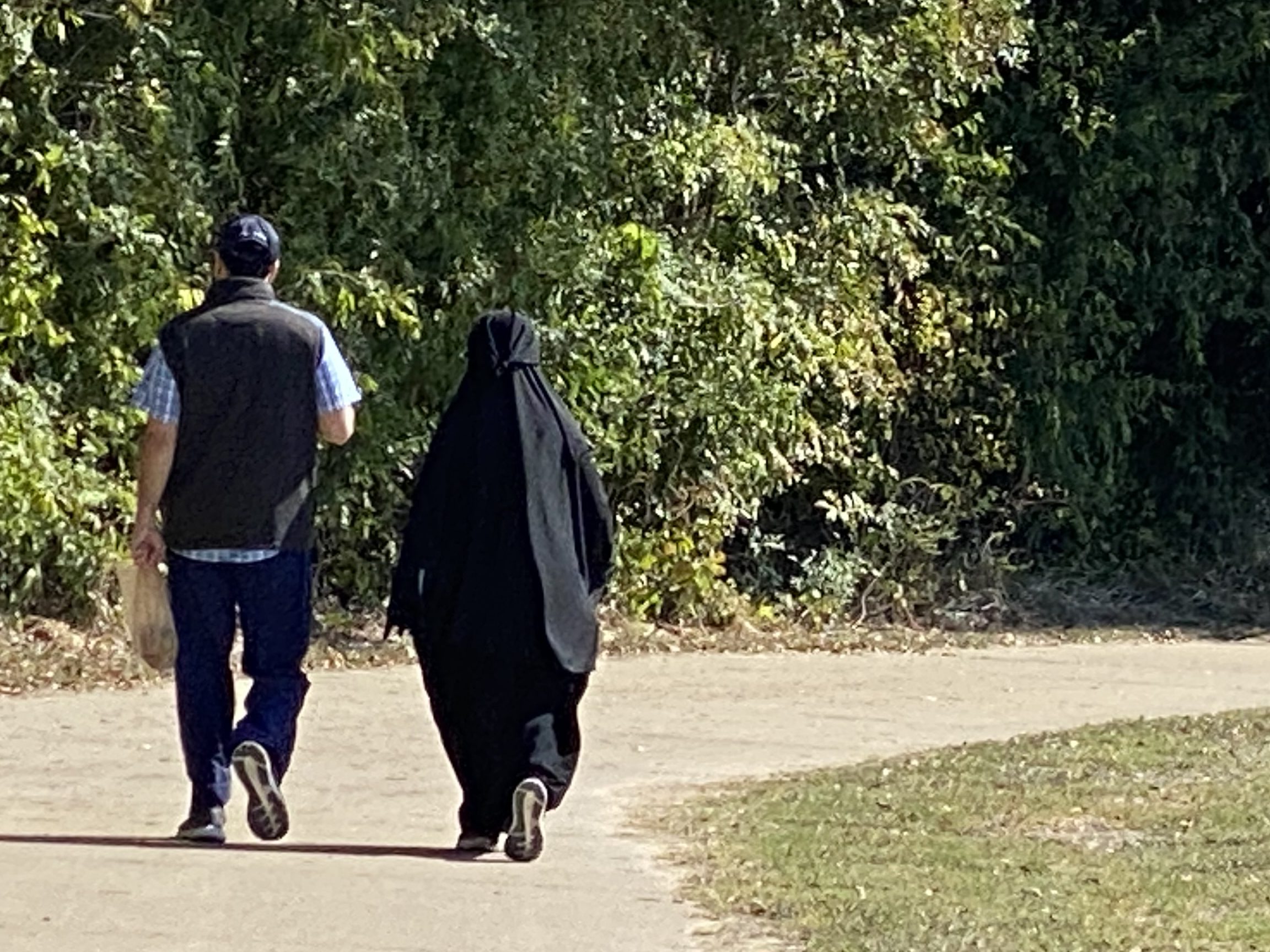
The nations we once sent missionaries to are now living in our neighborhoods.
Muslims, Hindus, Buddhists, Sikhs, and people from every background now live next door, work in our offices, and attend our universities. Many Christians feel compassion for these new neighbors and also feel unsure how to begin a spiritual conversation across faiths.
Church leaders often ask us a similar question:
How can ordinary believers share the gospel naturally in a multicultural world?
Jesus answered that question long ago.
In Luke 10, He gave His followers a strategy that remains one of the most effective ways to see the gospel spread today.
It is called the Person of Peace.

Jesus’ Strategy in Luke 10
When Jesus sent out the seventy-two disciples, He did not tell them to preach on street corners or debate religious ideas.
Instead, He gave them relational instructions:
“When you enter a house, first say, ‘Peace to this house.’ If someone who promotes peace is there, your peace will rest on them.” — Luke 10:5–6
Jesus expected His followers to find people who were unusually open to them.
These individuals welcomed the disciples, listened to them, and opened doors to others. They were people of peace.
The strategy was simple:
- Go into communities.
- Look for spiritually open people.
- Build relationships.
- Share the message of the Kingdom.
- Sow seeds for the gospel to spread through their network.
Instead of trying to sow seeds on hard ground, Jesus focused on key relationships that open entire communities.
A Pattern We Still See Today
This pattern continues to unfold all over the world.
Mission movements across Asia, Africa, and the Middle East often begin with one spiritually open person who welcomes believers into their network. One relationship becomes a bridge to dozens more.
We see the same dynamic here in North America.
An international student invites friends into conversations about faith.
An immigrant neighbor introduces believers to their extended family.
A coworker asks questions about what Christians believe and opens the door to deeper spiritual discussions.
As these relationships grow, we begin to live out a simple, biblical rhythm—loving well, praying together in Jesus’ name, sharing Scripture, and sharing the gospel.
The gospel spreads relationally through networks of trust.
Jesus knew something about human nature.
People listen most closely to someone they already know, love and trust.
What a Person of Peace Looks Like

A Person of Peace is not necessarily a believer yet.
They are someone who is open to spiritual conversations and influential within their circle.
You may notice three characteristics:
1. They welcome you
They know you are a Jesus follower, enjoy your presence and are glad to spend time with you.
2. They are spiritually curious
They sense something different about you. They ask questions about what you believe or respond positively when you initiate prayer in Jesus’ name, or when you share Scripture.
3. They connect you with others
They introduce you to friends, family members, or coworkers. In other words, they become a relational bridge. One open door leads to many more.
Why This Strategy Matters Today
Many Christians assume cross-faith evangelism requires training in apologetics, theological training, or the ability to answer every difficult question.
Jesus gave His disciples a different model.
He invited ordinary believers to build relationships and watch for God’s work in people’s hearts.
The Person of Peace strategy removes much of the pressure people feel about sharing their faith.
Instead of trying to persuade people into the Kingdom with the “perfect words,” believers look for those God is already drawing.
Jesus told His disciples: “The harvest is plentiful.”
God is already at work in people’s hearts.
Our role is to notice where He is moving and then join Him in this work.
What This Looks Like in Everyday Life
You may already know a Person of Peace.
Think about someone in your life who:
- enjoys conversations with you
- asks thoughtful spiritual questions
- invites you into their world
It might be:
- a neighbor who welcomes you into their home
- a coworker who often asks about your faith
- a parent at your child’s school who enjoys deeper conversations
- an international student eager to learn about Christianity
These relationships often become the starting point for meaningful gospel conversations.
Jesus’ strategy unfolds naturally through friendship and hospitality.
A Word for Church Leaders
Pastors and missions leaders often ask how to equip their congregations for meaningful outreach in a multi-faith world.
Programs alone rarely produce lasting fruit.
People need a simple, biblical framework that helps them move from fear to confidence.
The Person of Peace strategy offers exactly that.
When believers understand this principle, several things begin to happen:
- Outreach becomes joyful rather than intimidating
- Church members grow more attentive to God’s work around them
- Spiritual conversations emerge naturally in everyday life
- Entire relational networks become open to the gospel
Instead of a few gifted evangelists doing all the outreach, the whole church becomes engaged in everyday life.
The Courage to Begin
Many believers hesitate to start spiritual conversations.
Fear often whispers:
What if I say the wrong thing?
What if they reject me?
Jesus invites us into a different posture.
Look for the people who welcome you. Spend time with them. Find out their story. Offer to pray with them in Jesus’ name. Share Scripture that might breathe life into their situation.
Trust that God is already preparing hearts.
The goal is not to force conversations. The goal is to notice where the Holy Spirit is already working, and then join in.
The Opportunity Before Us
North America has become one of the most diverse mission fields in the world. Millions of people from other faith backgrounds now live within a short drive of local churches. Many have never met a Christian who can explain the gospel clearly.
At the same time, many believers long to share their faith and simply need a path forward.
Jesus’ strategy in Luke 10 provides that path.
Find the Person of Peace.
As you walk with them, seek to understand what they believe, build genuine friendship, and practice sharing the Truth of the gospel with grace—what we call The 5 Biblical Essentials.
And then, watch how God opens doors.
One relationship can lead to many lives transformed.
Where This Journey Can Lead
At iHOPE Ministries, we have seen this pattern unfold again and again. Believers who begin with one relationship often discover something surprising. God has already been preparing hearts.
The Person of Peace becomes a doorway into deeper conversations about Jesus, Scripture, and the hope of the gospel.
Over time, these relationships can grow into small groups, seekers exploring faith, and even new communities of believers.
Jesus’ strategy continues to work.
The harvest remains plentiful. And it often begins with one simple step:
Notice the Person of Peace God has placed in your life.
Want to Equip Your Church for Conversations Like This?
Many Christians want to share their faith with neighbors from other cultures and religions.
They simply need a clear and biblical framework.
That is exactly why we created the ETHNOS™ Discipleship Pathway.
ETHNOS equips believers to:
- understand the beliefs of people from other faith backgrounds
- recognize spiritual openness (like the Person of Peace)
- know 5 Biblical Essentials to practice with friends from other faiths
- share the gospel with clarity and compassion
Churches across North America are using the ETHNOS Course™ to equip their congregations for the mission field that now exists in their own neighborhoods.
The result is something many pastors have long hoped for: ordinary believers gaining the confidence to share Jesus naturally.
Explore the ETHNOS Course
If you would like to equip your church for meaningful conversations across faiths and cultures, we invite you to learn more about the ETHNOS Course.